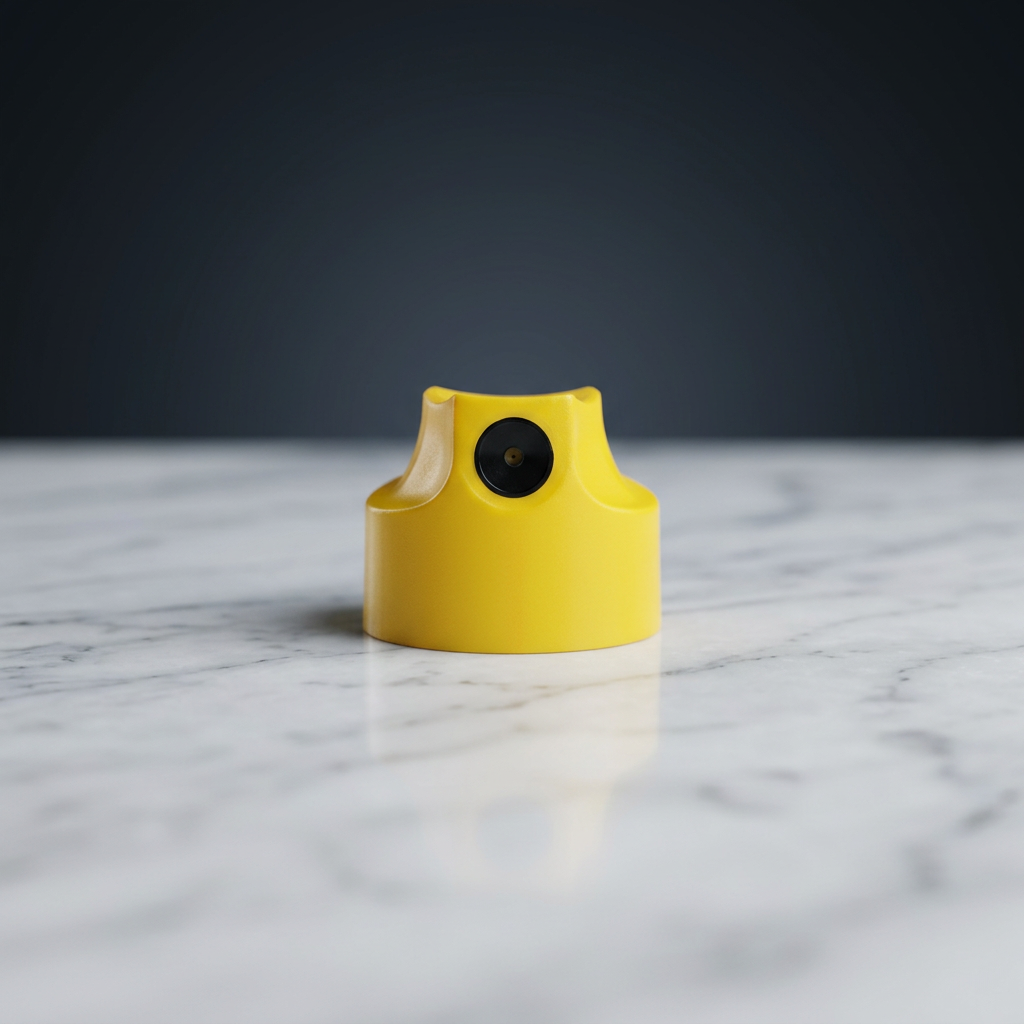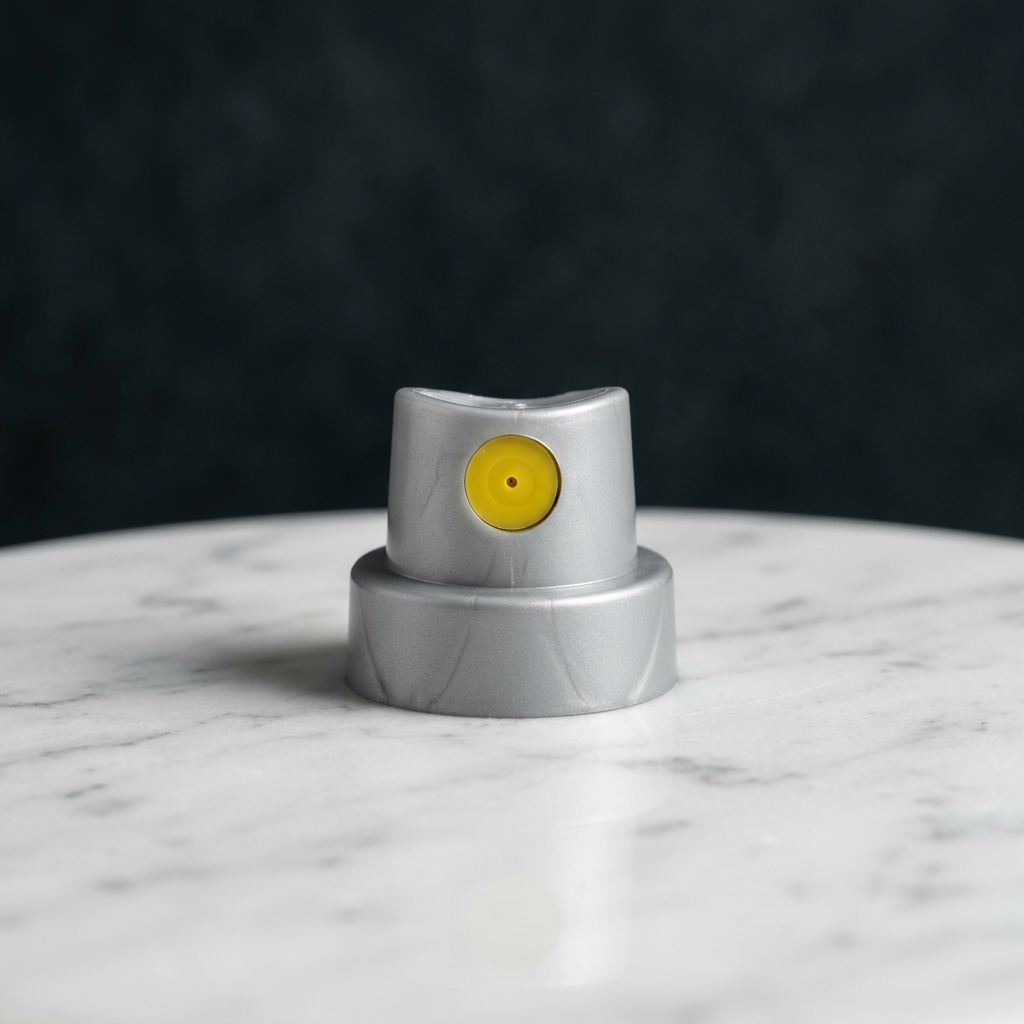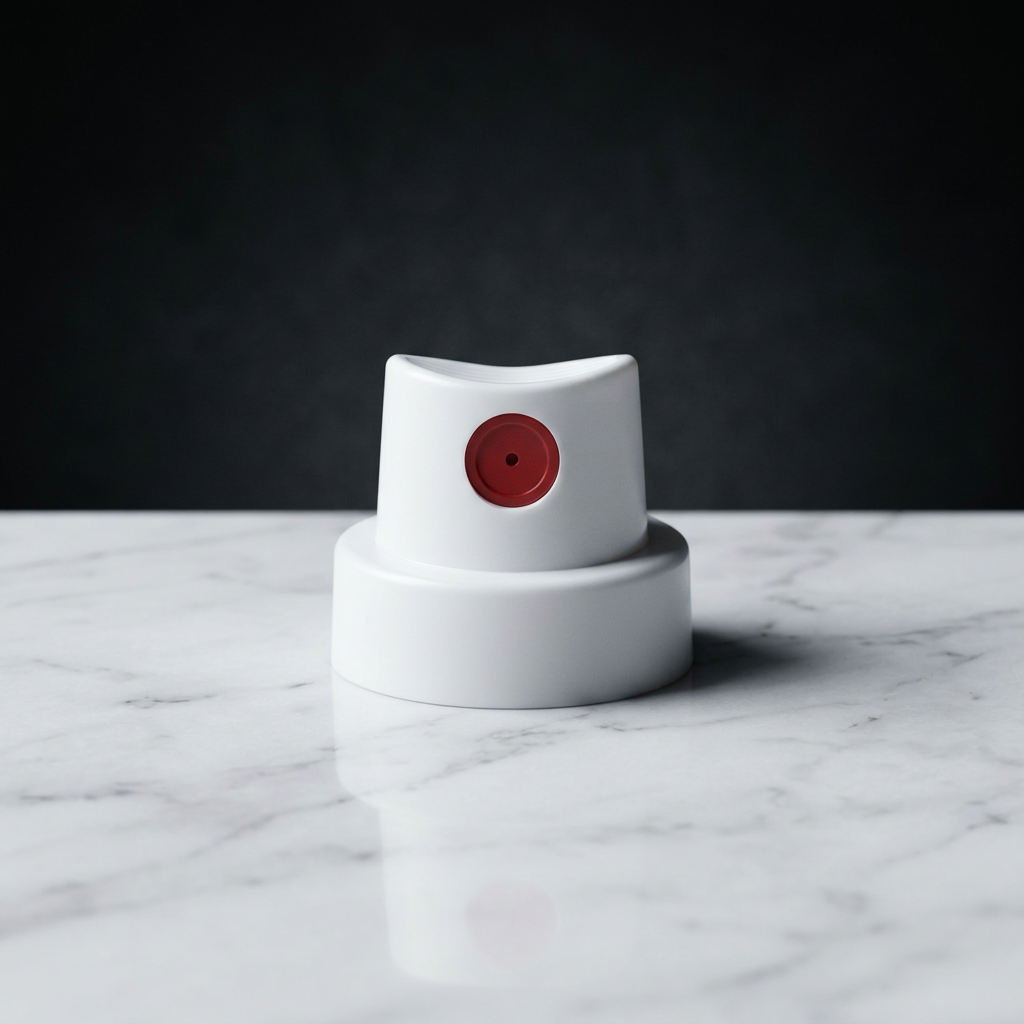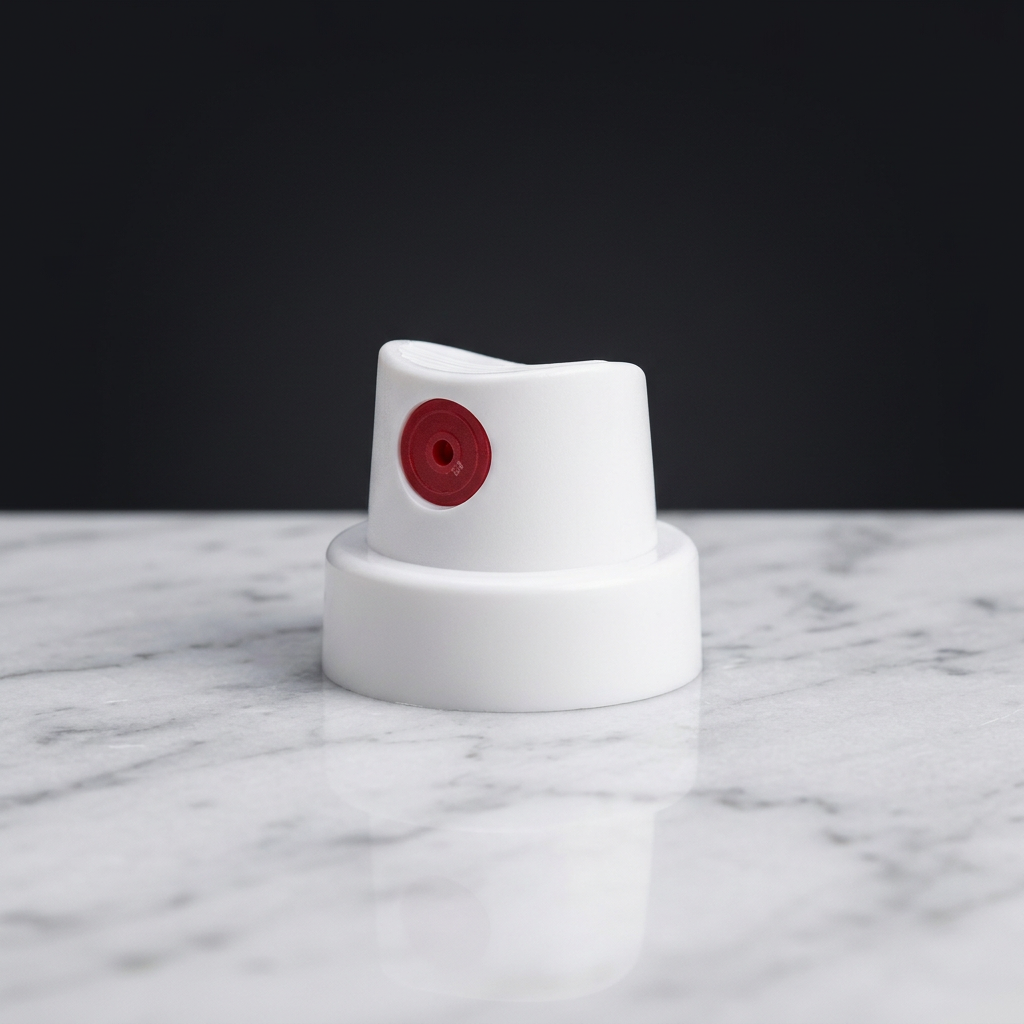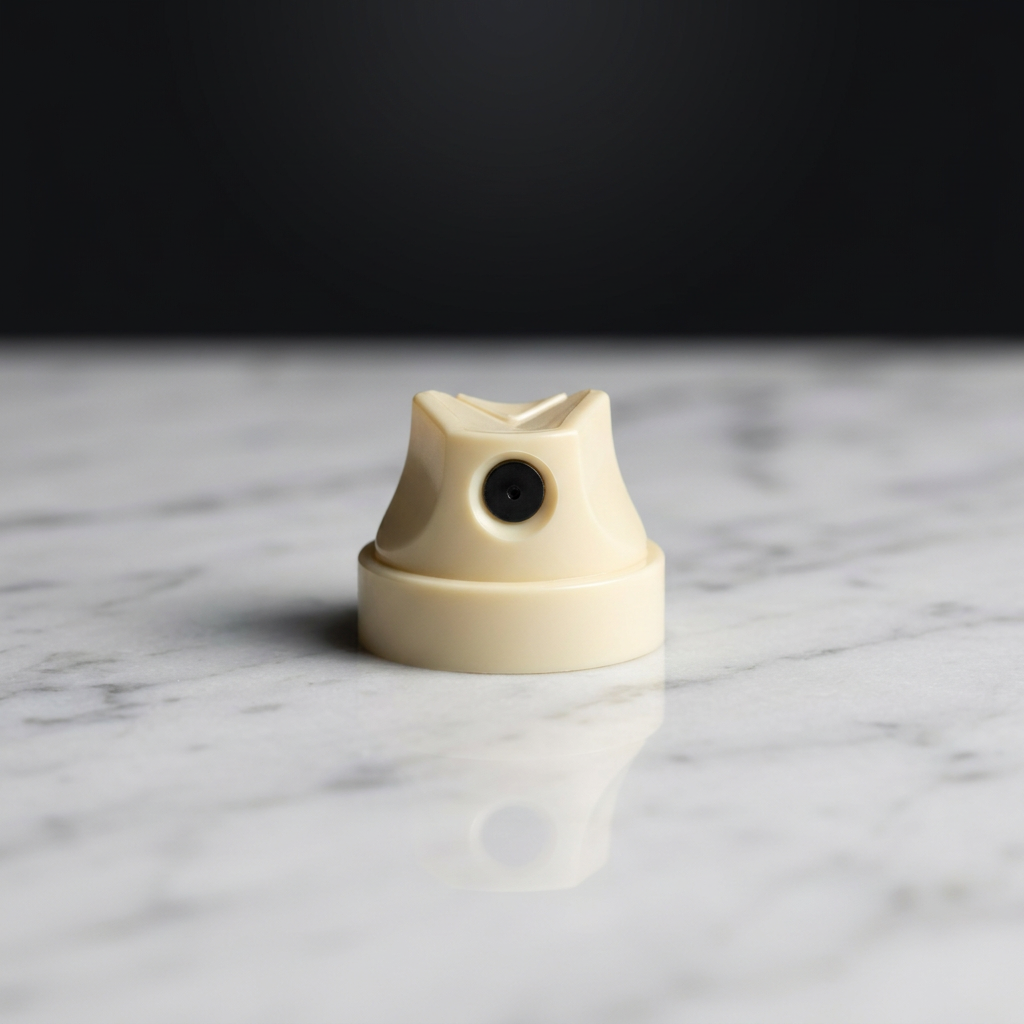
Fine Line
Skinny Cream Cap
Monograms, script, signatures, plate-rim writing and controlled detail work.
$3.00
Buy capPresale · First run
1,174 reserved · 3,826 left of 5,000
Ends in 0d 00:00:000d 00h 00m 00s
Reserve $88Reserve at $88.00Technique
Everything about spraying food comes down to distance, movement and restraint. These six get you to a professional finish on the first can.
01
Agitate two seconds
There is no mixing ball and nothing separates. Two seconds, not twenty.
02
Hold 15–20 cm
Closer than that and you flood; further and the mist dries before it lands.
03
Move before you press
Start the sweep off the food, then press. Stop the press before you stop the sweep.
04
Light passes, not one heavy one
Each coat sets in under fifteen seconds, so recoat immediately to build depth.
05
Mask with a dry card
Hold the stencil 2–3 mm off the surface for a soft edge, flat for a razor edge.
06
Finish with a lift pass
One angled pass across ridges and edges. Raking light does the rest.
| Cap | Spread at 15 cm |
|---|---|
| Fine LineSkinny Cream CapMonograms, script, signatures, plate-rim writing and controlled detail work. | 2–4 mm |
| DetailUniversal CapSmall stencils, macaron faces, canapé marks and chocolate bonbons. | 8–12 mm |
| StandardPocket Fat Capships on every canGeneral work: cupcakes, cookies, single stencils and plated finishes. | 20–25 mm |
| FloodVice CapFull sheet pans, gradients, entremets and broad backgrounds. | 45–55 mm, soft edge |
| FanTransversal Variator CapEven edge-to-edge coverage on sheet cakes and long plates. | Up to 60 mm, flat |
Coverage calculator
THC applied
10.0 mg
Per portion
10.0 mg
Servings used
1.0
Three seconds on one portion is a full 10 mg serving. Spread the work — coverage divided across portions is where this product is sensible.
| Application | Spray | THC | Portions | Per portion |
|---|---|---|---|---|
| Stencil on one brownie | 1s | 3.3 mg | 1 | 3.3 mg |
| Cupcake top, flooded | 2s | 6.7 mg | 1 | 6.7 mg |
| Macaron shells, 12 half-dipped | 8s | 26.6 mg | 12 | 2.2 mg |
| One plated dessert, worked | 3s | 10.0 mg | 1 | 10.0 mg |
| 9×13 sheet, stenciled | 12s | 40.0 mg | 24 | 1.7 mg |
| 9×13 sheet, flooded edge to edge | 25s | 83.3 mg | 24 | 3.5 mg |
| Tray of 40 canapés, house-marked | 20s | 66.6 mg | 40 | 1.7 mg |
| Two-tier cake, full sweep | 45s | 149.8 mg | 32 | 4.7 mg |
| Four-tier cake, full sweep | 90s | 299.7 mg | 80 | 3.7 mg |
Buttercream (Swiss, American)
Excellent
No cratering at 15–20 cm. Set in under 15 s.
Chocolate & ganache
Excellent
Opaque whites and pastels read strongly on dark.
Fondant & modelling paste
Excellent
Full flood or stencil, no tackiness.
Frozen glaze / entremet
Excellent
Works straight from the blast chiller.
Meringue & macaron shells
Excellent
Half-dip masking gives a razor edge.
Porcelain plate
Excellent
Wipes clean; food-safe on contact surfaces.
Fresh fruit (dry skin)
Good
Pat dry first. Anthocyanin violets may shift on acid.
Wet gels & curds
Situational
Deliberate pH shift at the contact edge — use it on purpose.
Hot food on the pass
Avoid
It is a finishing tool. Steam breaks the film.
Anything before heat
Avoid
Goes on last, after cooking. Never bake it.
One to exploit on purpose: the anthocyanin violets are pH-reactive. Spray Ultraviolet onto a lemon curd or a citrus gel and it shifts toward pink at the contact edge.